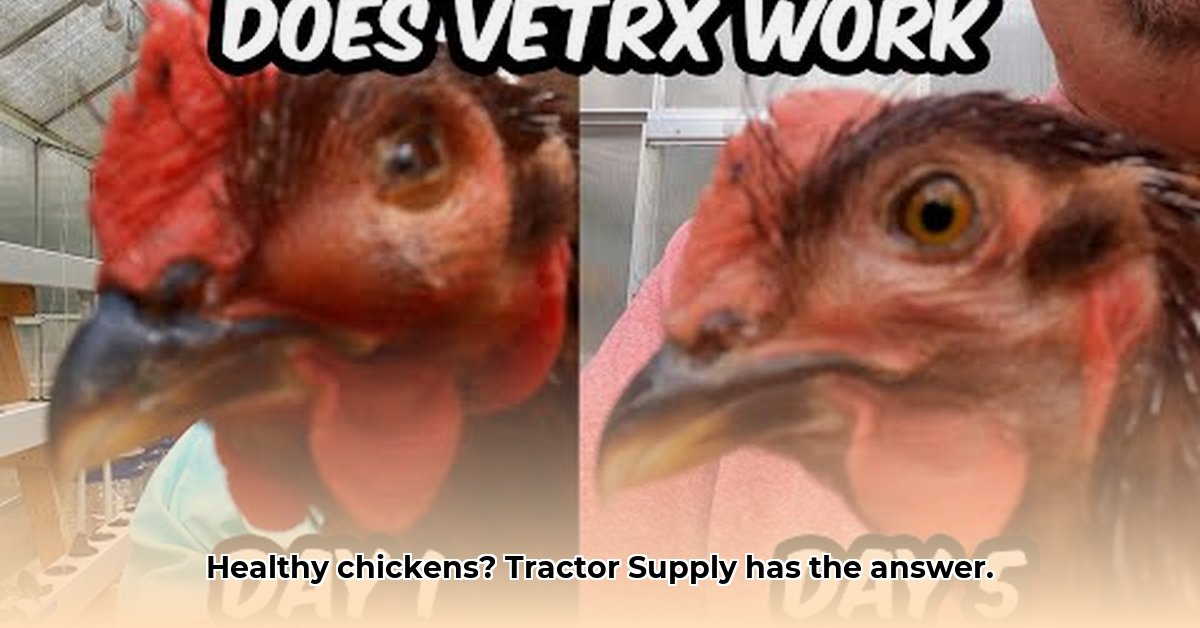
Keeping your chickens healthy and productive without relying heavily on antibiotics is crucial for both animal welfare and sustainable farming practices. While Tractor Supply offers various medications, a proactive, holistic approach focused on prevention is far more effective in the long run. This guide outlines sustainable strategies to ensure your flock thrives. For more information on chicken coops, check out Tractor Supply coops.
Understanding the Challenges of Conventional Chicken Medications
Over-reliance on antibiotics in poultry farming has led to significant challenges. Antibiotic resistance is a major concern, rendering common medications ineffective against evolving bacterial strains. This not only compromises the health of your flock but also poses a threat to human health through the potential contamination of the food chain. Furthermore, antibiotic residues can contaminate the environment, impacting soil and water quality. Consumers are increasingly seeking antibiotic-free poultry, making sustainable practices essential for both ethical and market-driven reasons. Isn't it time to consider a shift towards proactive prevention?
Proactive Prevention: A Multi-pronged Approach to Healthy Chickens
Preventing disease is far more effective than treating it. Implementing a multi-faceted approach significantly reduces the need for antibiotic interventions.
1. Biosecurity: Establishing a Fortress Against Disease
Biosecurity isn't just about cleanliness; it's about creating a protective barrier against disease transmission. This involves:
- Strict Hygiene: Thoroughly clean and disinfect your coop, feeders, and waterers regularly. Remove manure daily. (Use appropriate disinfectants following label instructions carefully.)
- Pest Control: Rodents and insects spread disease. Implement effective rodent and insect control measures, regularly inspecting and addressing any infestations.
- Quarantine: Isolate new birds for at least 30 days before introducing them to your existing flock. This minimizes the risk of introducing infectious agents.
2. Vaccination: A Proactive Shield
Vaccination is a cornerstone of preventative healthcare. Consulting your veterinarian to determine the appropriate vaccination schedule for your area and breed is essential. Tractor Supply often carries vaccines for common poultry diseases such as Newcastle disease, infectious bronchitis, and avian influenza. Timely vaccination provides crucial protection.
3. Nutrition: Fueling a Robust Immune System
Proper nutrition is vital for a strong immune system. High-quality feed, readily available at Tractor Supply and other retailers, forms the basis of a healthy diet. Supplementing with probiotics may further enhance gut health and immunity, but always follow recommended dosage instructions. A balanced diet is the foundation of a strong flock.
4. Breed Selection: Inherent Disease Resistance
Chicken breeds vary in their natural disease resistance. Research breeds known for their hardiness; this proactive measure can significantly reduce your need for medication. Consider the breed's inherent resilience when planning your flock.
5. Housing and Environment: Creating a Thriving Ecosystem
Proper housing conditions are essential. Ensure adequate ventilation to prevent ammonia buildup, regulate temperature, and maintain appropriate stocking density to reduce stress and disease transmission. A comfortable environment is a healthy environment.
Exploring Alternatives to Antibiotics
While antibiotics remain a necessary tool under veterinary guidance, exploring alternatives is crucial for responsible poultry management.
Probiotics: Supporting Gut Health
Probiotics enhance gut health and immunity. These beneficial bacteria are available from various suppliers, including some Tractor Supply locations. Probiotics contribute to a healthy gut microbiome, improving overall health.
Homeopathic Remedies and Essential Oils: Proceed with Caution
While some poultry keepers explore homeopathic remedies and essential oils, scientific evidence supporting their effectiveness in treating poultry diseases is limited. Always consult your veterinarian before using these products. Regulatory oversight can vary considerably.
When to Consult a Veterinarian: Recognizing the Need for Professional Care
Despite preventative measures, professional veterinary attention might be needed. Contact your veterinarian immediately if you observe:
- Lethargy or decreased appetite
- Respiratory distress
- Diarrhea or abnormal droppings
- Unusual behavior
Early diagnosis and treatment are crucial in minimizing potential complications and ensuring the health of your flock.
Meticulous Record Keeping: Tracking Your Flock's Health
Maintaining comprehensive records of vaccination schedules, treatments administered (including those from Tractor Supply), feed types, and any disease outbreaks is vital. This information allows you to identify patterns, prevent future outbreaks, and demonstrate adherence to sustainable practices.
Building a Sustainable Future for Your Chicken Flock
By prioritizing prevention, using alternative treatments judiciously, and seeking veterinary advice when necessary, you can create a healthier, more sustainable poultry operation. This comprehensive approach safeguards animal welfare and contributes to a more responsible farming model. The long-term benefits of a proactive approach outweigh the short-term convenience of immediate antibiotic use.
Key Takeaways:
- Proactive prevention through biosecurity, vaccination, and nutrition is crucial for minimizing antibiotic reliance.
- Alternative treatments offer supportive roles but should not replace veterinary care.
- Meticulous record-keeping provides valuable insights into flock health and management practices. The proactive management of your chicken health will lead to the long-term health and sustainability of your farming.